
Rain changes the shape of a day. A walk gets postponed, the garden can wait, and an afternoon opens up indoors. Before filling it with errands or another scroll through your phone, it is worth asking what you would actually enjoy doing.
Sometimes the answer is a book that gives you something to think about. Sometimes it is a story with enough momentum to hold your attention. And sometimes, especially with children at home, it is something everyone can join in with.
These three books offer different starting points. Choose according to the afternoon you have, rather than trying to make the day look a particular way.
1. Make Time for Life: room to rethink your week
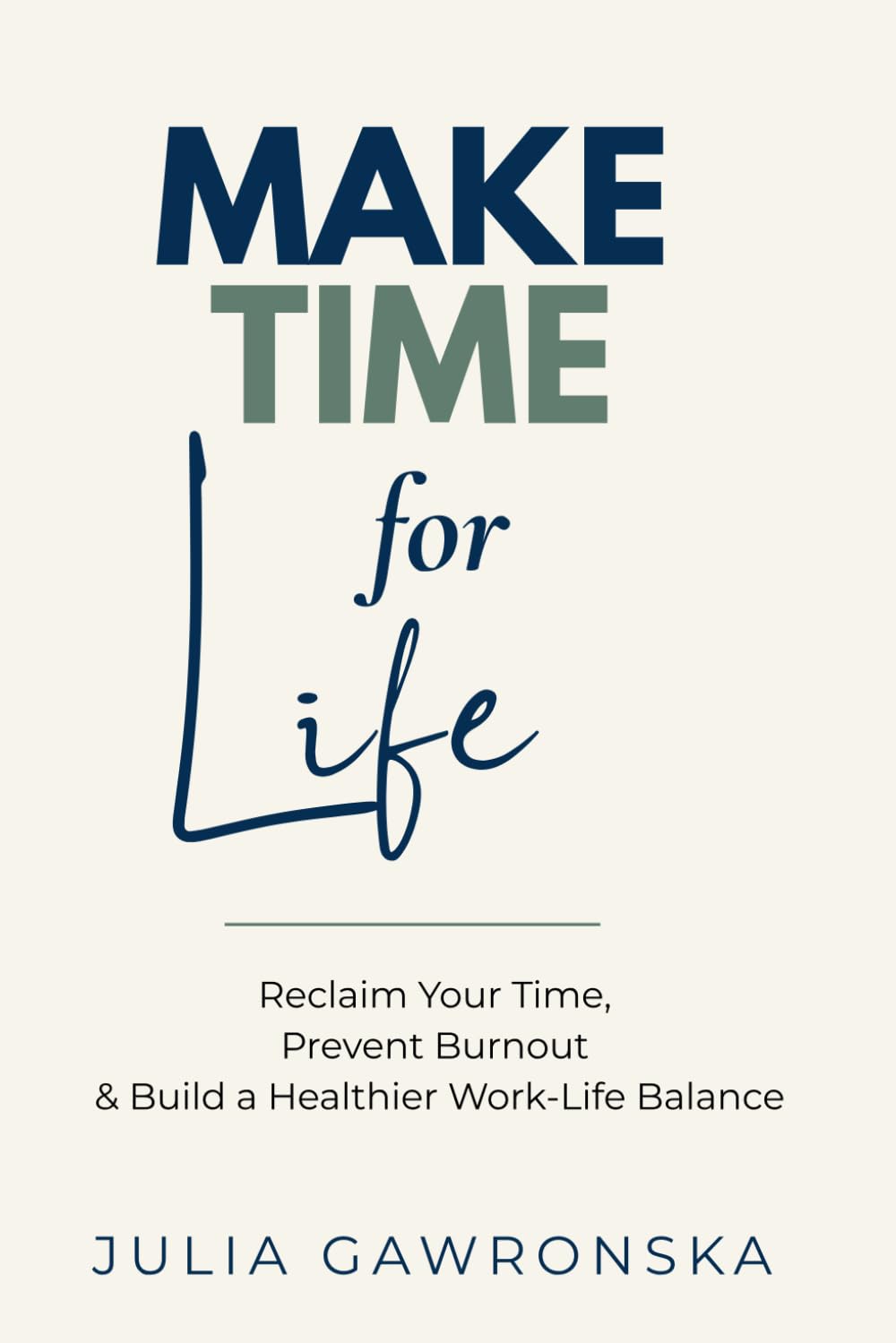
When work keeps spilling into the hours around it, an empty afternoon can quickly become a chance to catch up. Make Time for Life by Dr Julia Gawronska asks readers to look more closely at that relationship between work and the rest of life.
The guide covers priorities, boundaries and a personal Work-Life Balance Plan. Its starting point is a familiar problem: work expanding until the things you wanted to do outside it disappear.
The focus on both work and home makes this a relevant choice for readers whose ambitions matter to them, but whose days leave little space for anything else. The useful distinction is between organising tasks and deciding what deserves time in the first place. A better-filled diary is not necessarily a better week.
A rainy afternoon offers room to pause over that question without turning it into a complete life overhaul. Read a section, then leave a little time to consider how it relates to an ordinary weekday.
As a starting point of our own, write down one thing you keep postponing and one commitment that regularly runs over. What small boundary could give the first a little more room? Keep the answer specific enough to try next week.
2. Redwing: an afternoon inside a different world
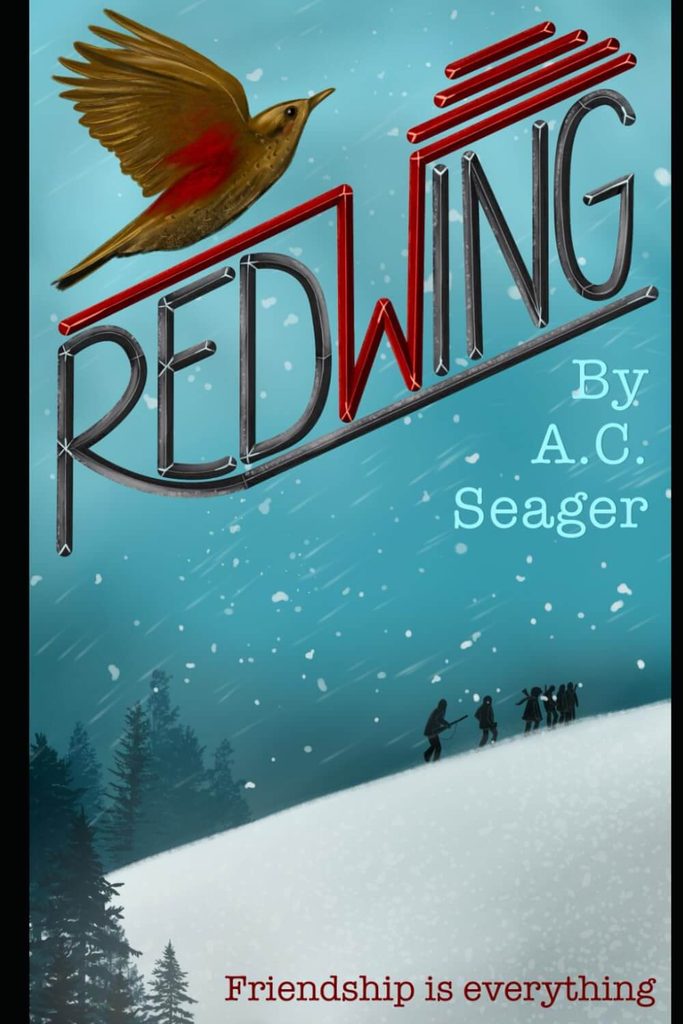
For readers who would rather follow a story than examine their own timetable, Redwing by A.C. Seager moves into historical fiction. Set during the Second World War, it follows six Polish teenagers entrusted with taking a secret document across Europe to England while a German officer pursues them.
Friendship is central to the premise. The group must depend on one another through occupied territory, with loss and sacrifice part of their journey.
This is the choice for an afternoon when you want a continuing narrative to follow. The mission gives the story a clear direction; the friendship offers another thread to pay attention to as the group’s circumstances change.
Redwing is a compelling choice for readers drawn to historical fiction and stories that explore courage, resilience and the human experience during wartime. With themes of danger, loss and hope, it offers a more thought-provoking read for a quiet afternoon.
Leave yourself a stretch of reading time without a page target. If you enjoy discussing fiction, try this question afterwards: when does loyalty make a character’s decision harder? Look for a moment in the story that supports your answer, rather than searching for a single lesson.
3. What Shall We Do Today?: something to share around the table

Not every rainy day comes with uninterrupted reading time. What Shall We Do Today? is a family activity book built around participation, with adults and children doing things together.
Its 100 activities range from conversation questions and family debates to drawing and imagination games. You can choose something that suits the people around the table and the time you have.
That mix offers a useful choice when enthusiasm or space is limited. A conversation prompt can work without clearing a table; drawing calls for somewhere to sit and suitable materials. The emphasis is on a shared activity, so it suits families looking for something to do together rather than independent entertainment for children.
For a rainy afternoon, start by asking everyone whether they feel like talking, drawing or imagining a story. Choose one corresponding activity and give it ten minutes before deciding whether to continue. There is no need to work through the book in order or fill the whole afternoon.
Our suggestion is to let a different person choose next time. Adults can join in with their own answers and drawings, allowing room for unexpected ideas rather than steering everyone towards a polished result.
Make the afternoon easy to begin
Set up for the activity you have chosen. For reading, find a comfortable seat with enough light to see the page clearly. For a family activity, gather only the materials it needs. Put distracting devices aside if that works for your household, while keeping any necessary calls available.
Choose a modest starting point: one section, a chapter or a single activity. If you have more time afterwards, carry on. If you stop, leave a bookmark or keep the materials together so returning is easy. Our Screen-Free Ideas article has more practical ways to make room for a short break.
You do not need to buy all three books or plan an entire day around them. Start with the kind of afternoon you want, then choose the book that fits.
Editorial note: This feature is based on the books’ published descriptions, rather than a first-hand reading review. The practical suggestions are our own.